
Interview repost from SwimrunFrance.fr
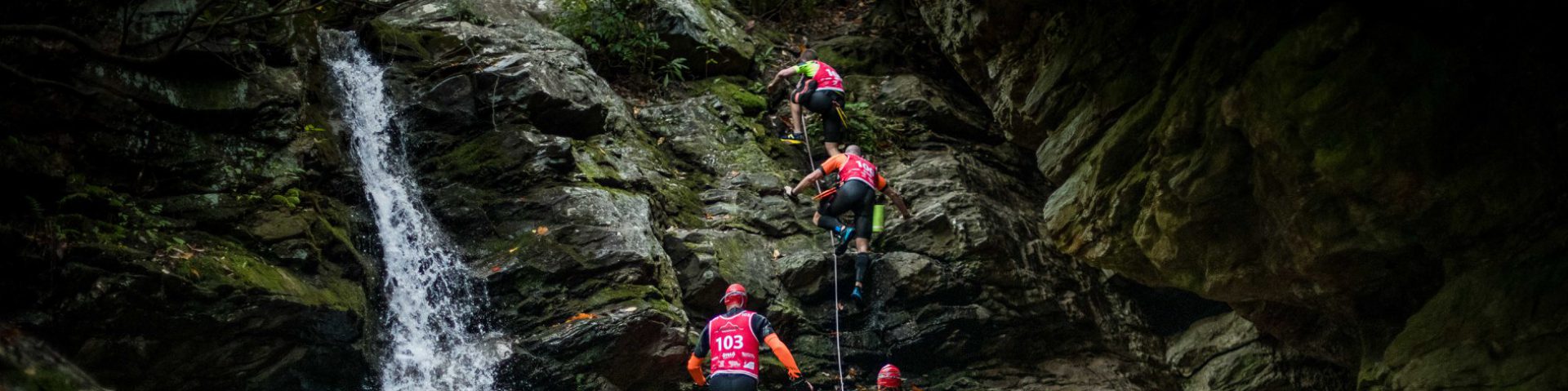
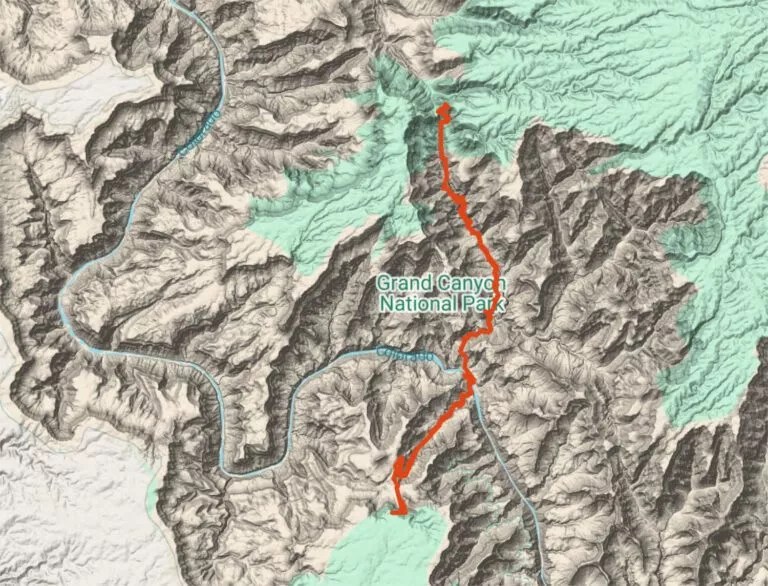
Marcus Barton, an iconic figure in swimrun and author of the blog “Speedy Lizard”, took on the extreme R2R2R “Alt” challenge with his friend Ben Paxton, an ultra trail runner, swimrunner (ÖtillÖ, Rockman), and deep connoisseur of the Grand Canyon. This route, even more demanding than the famous Grand Canyon Rim-to-Rim-to-Rim Hike, led them through 46 miles of running, 18,000 feet of elevation gain, and two crossings of the Colorado River by swimming. Drawing from his experience in more than 55 swimrun races, Marcus tested his endurance and mental strength against the unique challenges of this adventure. In this interview, Marcus and Ben discuss the highlights, obstacles, including a navigation error that could have changed everything. Discover how Marcus and Ben’s swimrun expertise was a valuable asset in overcoming challenges and how this extraordinary experience fueled their passion for extreme challenges.

Swimrun France: Before we dive into the details of your adventure, can you briefly introduce yourselves as endurance athletes and what drew you to swimrun?
Marcus Barton: I started in endurance sports racing XTERRA off-road triathlons. I met a good friend, Dan Kimball, did OTILLO in 2014 and talked me into doing with him in 2015. Long story, short, he later talked me into doing Rockman earlier in 2015 and then OTILLO. Rockman was my first swimrun. I was perfectly content, being a dirt-loving trail runner and mountain biker, but swimrun just sparked another level of adventure for me.
Ben Paxton: I’m a long-term trail runner and have done many ultras. I heard about Otillo a few years ago and it sounded like a fun new challenge. Since then I have done about 10 swim runs including Otillo and Rockman multiple times. Doing a swim run is unlike any other kind of race–fun and challenging, and always in beautiful awe-inspiring locations.
“When you’ve already crossed the Grand Canyon the traditional way, the polished paths start to feel like Disneyland… I wanted grit, challenge, and the taste of true wilderness.”
Marcus
SRF: What motivated you to attempt the R2R2R “Alt” challenge, a more demanding variant than the traditional Rim-to-Rim-to-Rim?
Marcus: Simple: when you’ve already crossed the Grand Canyon the traditional way, the polished paths start to feel like Disneyland. Don’t get me wrong, the traditional path is still hard-as-hell to accomplish and I commend anyone that completes it. However, I wanted grit, challenge, and the taste of true wilderness. R2R2R-Alt provides just that. My friends Ben, Kawika, and I thought, “Let’s do something no one else is lining up for.” Our first attempt last year? We didn’t make it, but that just made us hungrier for redemption this time around.
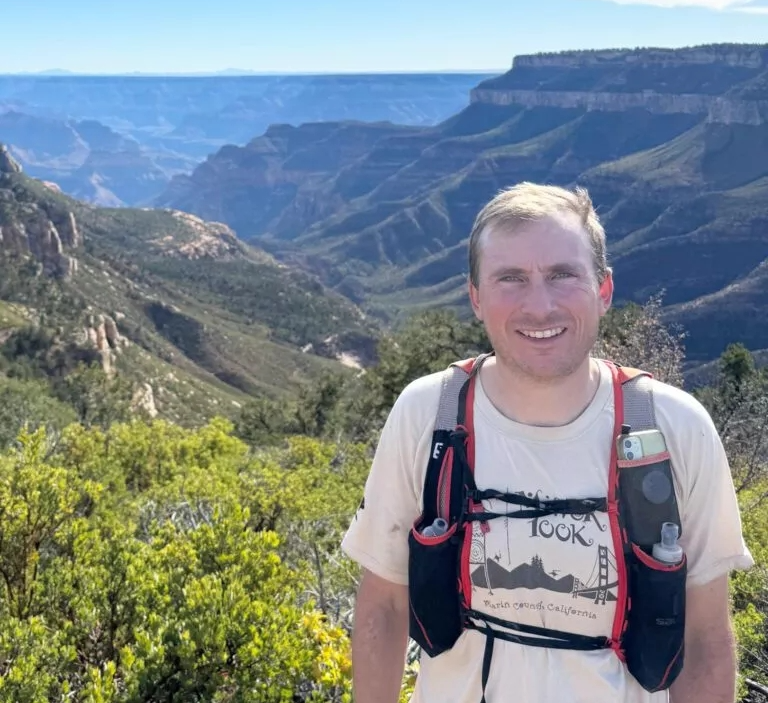
Ben: It’s Marcus’s fault because he told me about this trail. I’ve done R3 three other times on the Kaibab trail and it’s one of my absolute favorite things to do. When I heard about this other trail, and the required river crossing, I knew I had to do it.
“Let’s be real: the Grand Canyon doesn’t roll out a red carpet; it hands you jagged cliffs, pointy plants, and enough elevation gain to make a mountain goat sweat.”
Marcus
SRF: The “Alt” course involves significant elevation gain and sections of bushwhacking. How did you physically prepare for these specific conditions?
Marcus: I already had a decent base of fitness from training for Rockman this year and kept the training going for OTILLO Worlds. After Worlds, I took a short break to recover and then resumed training with big climbs on the weekend. I think I averaged 1000 meters on my big days. That is a long way from the 3700+ meters that we would encounter, but I think every bit helped. As for the bushwhacking, I’m really used to it from doing adventure racing. Everything in the Grand Canyon is pointy and prickly. I don’t think a single plant in that Canyon doesn’t scratch you in some way. You just have to accept it going in. Let’s be real: the Grand Canyon doesn’t roll out a red carpet; it hands you jagged cliffs, pointy plants, and enough elevation gain to make a mountain goat sweat.
Ben: Just lots of miles to prepare for the vert. Can’t prepare for the bushwacking, just have to take it. haha
SRF: You encountered very low temperatures at the start. How did you manage the cold and what impact did it have on your performance?
Marcus: I had originally planned on starting with tights (and change to shorts later) and four upper layers (shirt, long sleeve, light jacket & wind breaker). However, when we arrived at the trailhead, we were amazed at how warm it seemed, probably due to the dry climate. I almost immediately changed my mind and changed to skimpy shorts and only three layers. Three minutes into the run we were both laughing at how hot we were already. I stopped and took off another layer and hid it in the trees to pick up on our way out.
Plot twist? When we returned 17 hours later, I truly did not want to climb up the steep hillside to retrieve my jacket. I really debated just leaving it there for a bear. Pro tip: don’t stash something UPHILL from the trail.
As you descend, you it warms about 7 degrees for every 300 meters that you descend, so I knew we would be warmer as we get deeper into the Canyon.
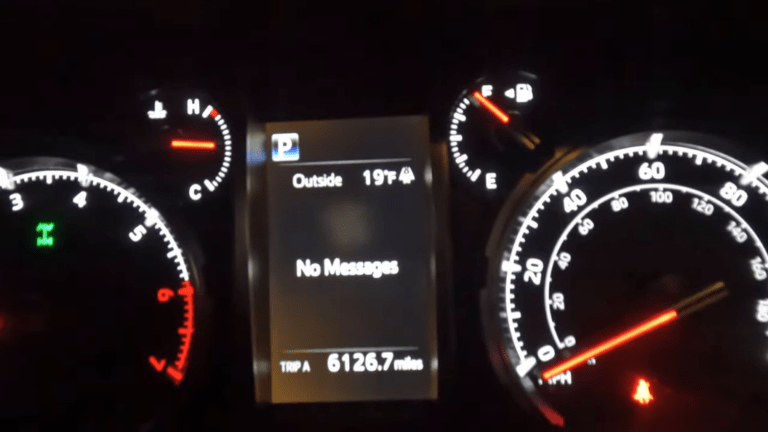
Ben: It was -6 degrees C at the rim when we started. But the bottom got up to 24 degrees. So extreme temperature changes. We took extra clothing but peeled off as needed and picked it up on the way out.
SRF: How was your crossing of the Colorado river?

Marcus: This was one of the things we were worried the least about. We’re swimrunners at heart and looked forward to the swim. We even took a pull buoy, paddles and goggles to make it a “proper” swimrun. Ark would be proud. Our only concern was the temperature. Ben had looked at the temperature readings from USGS, but neither of us believed the advertised temps were correct. We thought with the cold weather, it HAD to be colder than we saw on those readings. However, they were pretty accurate, so it was right around 20 degrees C. We swam in shorts and no wetsuit, so it was a bit chilly, but we were fine once we started running again.
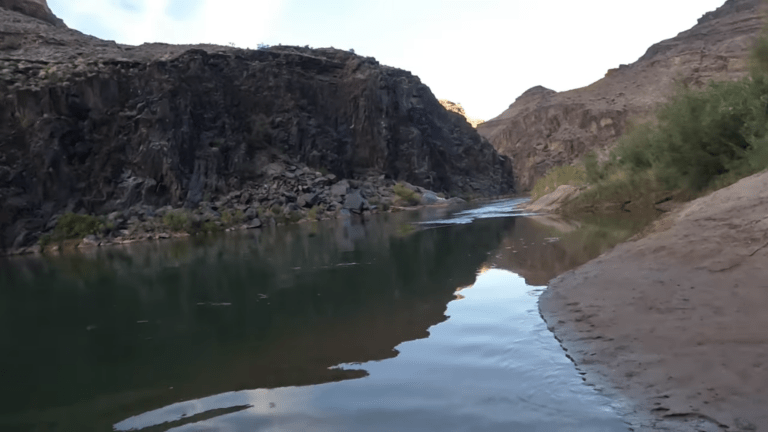
The return crossing was a bit more challenging because it was at night. As we approached the river, the sun was going down and we had our lamps on. A group of rafters had come ashore and were partying. They whooped and yelled at us because I am sure they hadn’t seen anyone that far out, and running the trails at night. We were several hundred meters from them, but they could see our lights out there in the pitch-black dark.

That river is the absolutely darkest part of the Canyon and we could barely see the other side with our headlamps while standing on the shore. We had a very small cove (about 10 meters across) that we were aiming for. On each side of that cove was sheer cliff of about 30 meters high. If we didn’t time it correctly, swimming against the current, we would overshoot it and have to float downstream until we could climb out. We wanted to get across as quickly as possible, not only because we were shooting for a good finish time of the challenge, but also because we didn’t want to get too cold.
Just as we waded into the water to get started, the rafters downstream started pointing green lasers at us. I’m not sure if they were trying to annoy us or get our attention. I’m sure we looked like weirdos swimming across in the darkness with headlamps on. I’d take a few strokes, try to sight the shore, take a few strokes, breath to the right, and get a laser in my eyes. Then I’d take a few more strokes, try to sight the shore, a few more strokes, breath to the right and get another face full of laser. Every breath was like playing laser tag in pitch black. So annoying. Assholes.
I couldn’t see anything at all. Between the laser in my face and the pitch black, I couldn’t see the shore, so I just swam for my target, trying to account for the river flow and counter-swim it. It wasn’t until we were more than halfway across before I could see the shore. We managed to land right in the middle of the small cove. We both got out laughing because we hit it perfectly, but we certainly were not laughing while swimming blind.
Ben: It was cold but very fun and moderately terrifying in the dark.
SRF: You mentioned bringing too much gear (and not enough calories, hydration…). In hindsight, what would you have done differently in terms of preparation and equipment choices?

Marcus: My pack just seemed very heavy the entire day. I think I didn’t need to bring as much clothing or spare batteries, but I don’t think I would have changed much with my gear. Some of the emergency supplies and extra calories I carried were just in case things went really wrong. We joked back and forth about whether we needed the swimrun gear, but I think we settled on having it since we think it helped, even if it was just two really short swims. Plus, the Ark Keel and the Ark Carbon Blades weigh close to nothing. I think one thing that I would change would be the amount of water we carried. We didn’t know what our water sources on the North Rim would be, so we carried a lot of water up that climb. At one point, the two of us were carrying a total of 6 liters of water. At 1 kilo per liter, that’s a lot of weight to carry on those steep-ass climbs. My comment in the video about not having enough calories or hydration wasn’t because I wasn’t carrying enough. Instead, it was because I was being a slacker and not sticking to my planned intake. Once I got back on track, I felt a lot better.
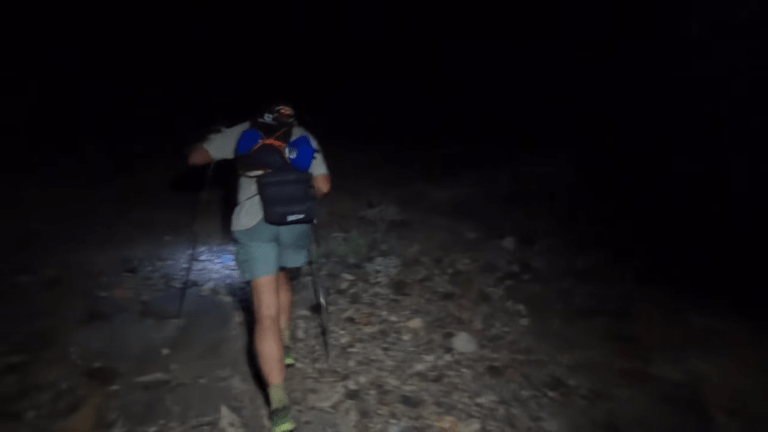
Ben: Carried less water and filtered more. But you never know what the conditions will be like. It was a lot drier last year, so we wanted to make sure we had water this time.
SRF: Navigation seems to have been a major challenge, costing you time and energy. Can you describe these moments of doubt and how you overcame these obstacles?

Marcus: Navigation is very, very crucial, especially on this route. There are no trail markers, no signs, nothing. Every now and then, you would spot a cairn that someone built to guide the way, but that’s it, and even these were not plentiful enough. You still had to use a map of some sort. Since we were aiming for a fast time, we opted to use the map, downloaded onto my watch, to guide the way. In some places, it was accurate and in other places, it would be off by 20-30 meters. There was a bit of seeking out the trail/route continuously throughout the day.
There were a few occasions that we were both looking at our maps, me on my watch and Ben on his phone, to determine which way to go. A couple of times, we’d separate from each other to look for the trail and find ourselves yelling out like a funny game of “Marco Polo”. Most of the time we’d just laugh it off as part of the adventure in the wilderness. We never really felt lost, but rather, just not on the trail/route. Staying positive and both of us having a map was super-helpful. Having someone to bounce an idea off when navigating takes a huge amount of the stress away.
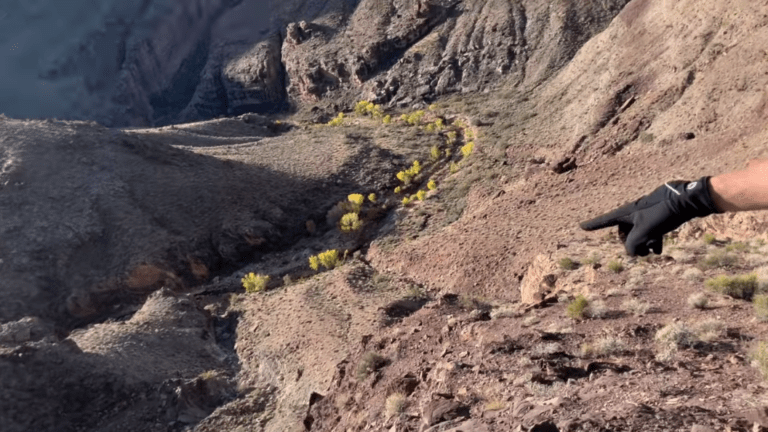
Ben: It’s a tough course to run and to find your route. It was incredibly beneficial to be doing it a second time–we knew a lot better the general direction of the course, and sometimes that’s all you get is a general idea.
SRF: Fatigue, hunger, and darkness amplified the navigational difficulties. How did you manage these psychological factors and maintain your motivation despite the frustration?
Marcus: Again, I think this goes back to having someone there to share the frustration with, but also to remain “in check” is huge. I think for most of the adventure, we felt like our nav issues were very small and minor. They were easily corrected and we didn’t waste a ton of time before we made the necessary corrections. We even had a conversation about it right in the middle of the adventure, specifically at how well we quickly corrected.

But when we realize the BIG error we made, it was quite frustrating, especially for me, because I felt responsible for the error. Up until that point, we were able to bounce ideas off of each other and make a decision. However, when I led us out of the creekbed, looking at the map on my watch, somehow I started following the previous route that we took towards the river instead of away from it. I could explain the error better if we were looking at a map, but in text it is difficult. We were running so hard in order to make our goal time, that we had ran a little over 3km before we realized what we had done wrong, and the ONLY reason we realized it was because we stopped running after I fell and bit the dust, and Ben’s backpack tore open.
Ben: this was so funny
“There was magic, too—like that euphoric moment of silence while running downhill at sunset. Ben and I were flowing, fast running, and weaving through the trail. We said nothing. Just the sounds of us running and the beauty of the Canyon. We were wild and free.”
Marcus
SRF: You shared high points and difficult moments. Is there a particular moment that marked you, positively or negatively?

Marcus: The Canyon has a way of humbling you and lifting you at the same time. I’ll never forget the North Rim climb. I was exhausted, doubting everything from my training to my snack choices. Had I not trained properly? Had I not prepared enough? Was Ben upset because I was going too slow? Kind of sounds like a swimrun, yes?
The second moment was when we realized we went the wrong way. I was frustrated, upset at myself and disappointed we wouldn’t make our goal time. But Ben reminded me of the epic day we were sharing and it all just fell away. But there was magic, too—like that euphoric moment of silence while running downhill at sunset. Ben and I were flowing, fast running, and weaving through the trail. We said nothing. Just the sounds of us running and the beauty of the Canyon. We were wild and free. It was epic.
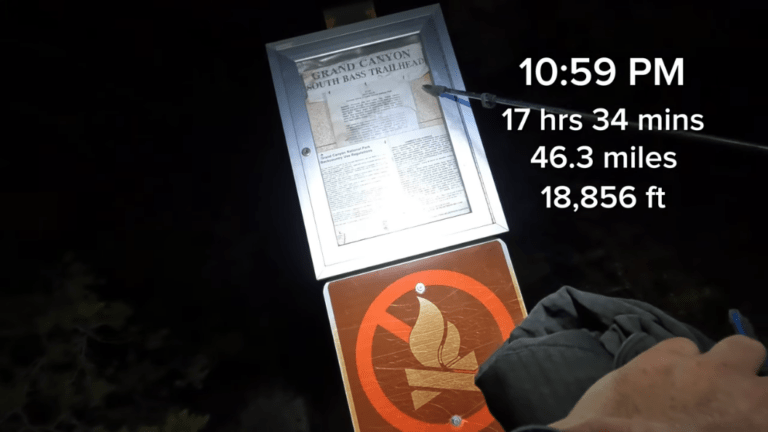
Ben: My favorite thing in the world is to run into the Grand Canyon in the morning as the sun is rising. You see the light creep up the canyon walls and the colors explode. It’s cool and you feel like you’re flying. My other favorite moment was summiting the North Bass trailhead–I’ve never been there before and it was unreal, like an island in the sky with 270 degree views of the canyon.
My third favorite moment was just after we turned around after our detour, we were a little dejected and bummed out about the extra miles and time, but I just felt so grateful to be there with Marcus enjoying the experience–I kind of gave in to what the canyon had for us that day and got back in the flow.
Moments like these remind you that endurance isn’t about avoiding mishaps; it’s about adapting and finding humor even when things go sideways.”
Marcus
SRF: Marcus, you injured your hand in a fall, and Ben, your bag tore. Can you tell us more about these incidents?
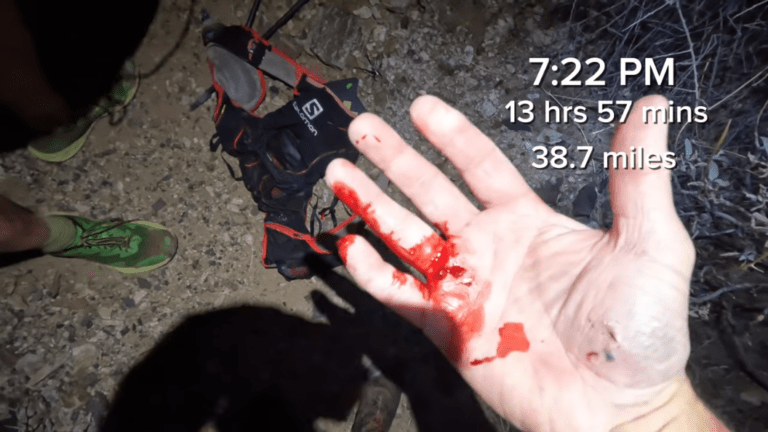
Marcus: This was probably the best time for us to share with each other. The two incidents happened within a couple of minutes of each other. I fell first. My fall was one for the books—bloodied hand, crushed GoPro, and pride slightly bruised. We were running hard and fast when I caught my toe on a rock. It was as if someone had reached down and grabbed my foot. I immediately launched into the air with both feet off the ground, landing in thud and sliding across the rocky ground.
I suffered a lengthy gash on my right leg and 6 cuts on my right hand. It was dripping with blood and didn’t appear as if it was going to stop. I also crushed my GoPro, which was mounted on my shoulder strap. When I landed on it, the area between my chest and shoulder got banged up pretty bad. It still hurts to cough or sneeze as I type this, over a week later. Ben helped me up and I said, “It’s fine” and we took off running again.
Less than a minute later, Ben’s pack split open like an overstuffed piñata. He thought he had lost a water flask that fell out of the top of his pack. When he turned around for me to put it back in, I informed him that his pack was split open like someone who had just bent over and ripped their pants. While I was looking at the maps and discovering that we had gone the wrong way, he fashioned the neatest bag/cargo repair I think I’ve seen with minimal supplies. And there we were: patching up gear, patching up egos, and laughing at the situation. Moments like these remind you that endurance isn’t about avoiding mishaps; it’s about adapting and finding humor even when things go sideways.
Ben: Ditto!
“At the end of the day the time doesn’t matter. The only thing that matters is that we kept going forward together and had a great time doing it.”
Ben
SRF: Despite the unforeseen events, you managed to complete the route in 17 hours and 34 minutes. What did this experience teach you about yourselves and the power of perseverance?
Marcus: We’ve done big events before, so we tried to use what we’ve already learned and just kept going. I think the sub 18 hour time is still good, but I know we could do better. Towards the end, it took a lot of effort climbing out of the canyon. We had expended energy and effort that we shouldn’t have with our nav error. And then we spent even more trying to make up for the lost time. By the time we got to the steepest part of the climb out, we were both spent. We grunted and groaned all the way up that South Rim, laughing at the absurdity of the trail.
Ben: I think we could have gone below 16 hrs, but at the end of the day the time doesn’t matter. The only thing that matters is that we kept going forward together and had a great time doing it.
“Go for challenges that touches your soul and your makes your heart race. Find the wild adventures, on trails less trodden and where things are unexpected… it’s about being brave enough to try something, persistent enough to finish, and willing enough to savor every misstep along the way.”
Marcus
SRF: Would you recommend this challenge to other athletes, and what qualities are essential to succeed?
Marcus: That is a trick question. Of course I would recommend it to anyone that would like to take it on. However, (I must be serious for a moment), this challenge isn’t for everyone. It is true wilderness. There are so many dangers in the Grand Canyon and you have to be prepared.
Quick weather changes. You could go from hypothermia to heat exhaustion in one day. We carried a full medical kit, emergency blankets, bivvy, and a satellite communications device (Garmin InReach), and had emergency evacuation insurance should we need to be helicoptered out.
It takes a lot of planning including nutrition, where are you going to get water, how you will filter it, and a plan for having extra of both in case you get hurt and need to spend the night. If you’re up for that sort of challenge, you need the will to keep going when you really don’t want to, and the adaptability to make changes and improvise when things don’t go as planned. It would definitely be a rewarding accomplishment.

Ben: I would not recommend this challenge to most athletes. It’s just too remote, too dangerous, too crazy. And the “trail” itself is so technical and so wild that much of it is not a lot of fun to run on. And to be totally honest, I think the actual views of the Kaibab trail are better! A double crossing of the Kaibab trail is more than enough challenge for most people–and if you wanted to spice it up, you could skip the bridge and swim the river on that crossing.
SRF: What are your future projects, and will this experience influence your adventure choices?
Marcus: Well, for starters, we’ve already started talking about going back to the Canyon to do this again. We know the course better and we learned even more than on our first attempt. I feel that if we had the same weather and water sources as we did this year, that we can go sub-16 hours. I really think we can. It won’t be easy and we’ll have to be constantly moving and running as much as possible, but I think it is doable. I asked Ben the next day if he’d go back or if it was too soon to ask. He just sort of sneered over his plate of food and said, “Too soon.” But, after some thought, we’re both ready to go back.
Ben: What?! Ok. We know this course better than any 2 people on the planet right now I’d guess. We may as well go for it again.
SRF: Do you have an inspiring message for our French audience?

Marcus: To my French swimrunning friends: go for challenges that touch your soul and makes your heart race. Fine the wild adventures, on trails less trodden and where things are unexpected. In swimrun, it’s not about being the strongest or fastest; it’s about being brave enough to try something, persistent enough to finish, and willing enough to savor every misstep along the way. Allez-y, mes amis—embrace the adventure!
Ben: Ditto.
Podcast Deep Dive Swimrun R2R2R Alt: Ben & Marcus. Click to play:
The Deep Dive Swimrun podcast recounts the adventure of two swimrun athletes, Marcus and Ben, who set out to take on the R2R2R “Alt” challenge, a much more demanding variation of the traditional Grand Canyon crossing.
The R2R2R “Alt” Challenge:
Distance: 42 miles (approximately 67.5 km) of running.
Elevation Gain: 12,000 feet (approximately 3,657 meters) of altitude gain.
Specifics: Swimming across the Colorado River twice, navigating unmarked trails, and complete lack of external support.
The Athletes:
Ben: Experienced trail runner who has participated in numerous ultras, including the Ötillö and the Rockman several times. He has also completed the traditional Grand Canyon crossing (R3) three times.
Marcus: Endurance swimrun athlete, he has experience in adventure racing and off-trail hiking.
 Speedy Lizard